
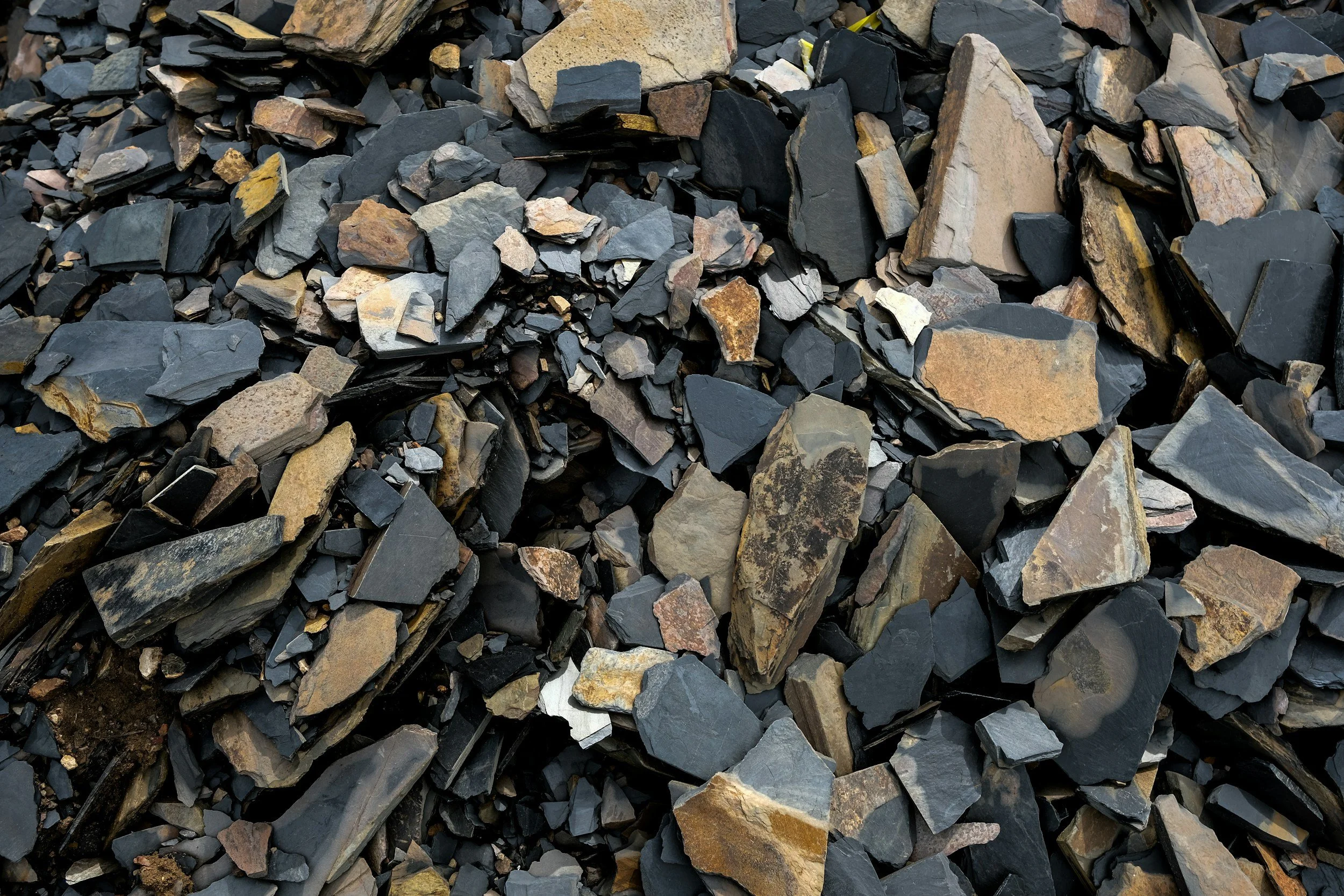
Ammoniacal Wet Oxidation (AWOX) is the key to unlocking legacy mine wastes.
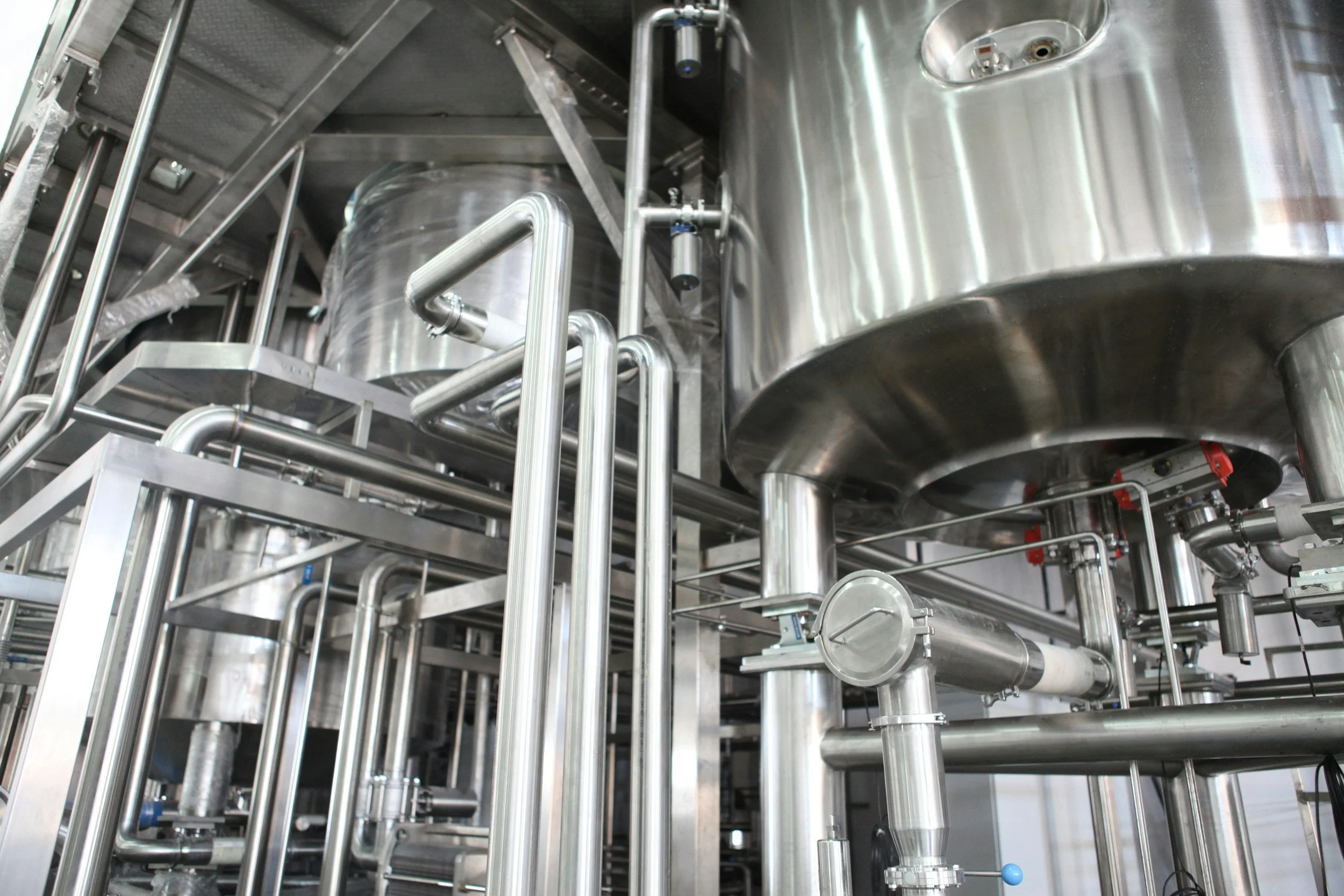
Starting with Hugo Heimann’s century old process for creating ammonium sulfate fertilizers, we worked backwards to refine the technique with the intent of producing safe fertilizers free of heavy metals while extracting target minerals.
What we’ll be left with is salable products, including critical, precious, and strategic minerals.
Anything that can’t be used readily is intended to be locked away in a geologically-safe form for environmentally-friendly, long-term disposal.
AWOX is the modern integration of legacy technologies
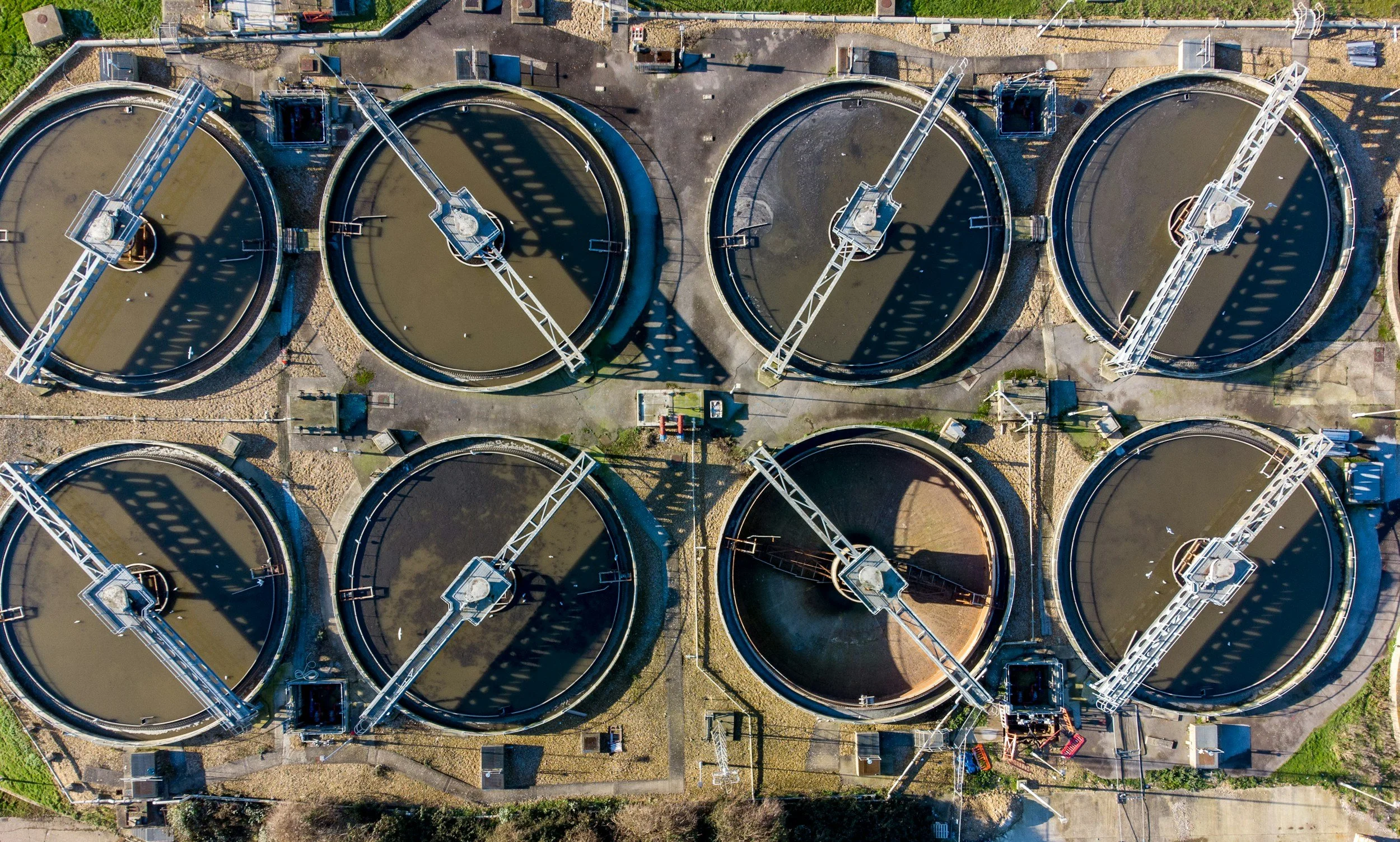
We’re not just using mine wastes to deliver fertilizer and critical minerals—we’re also helping wastewater treatment plants (WWTPs) by offtake of their waste ammonia.
WWTPs around the globe spend billions of dollars per year destroying ammonia so treated effluent can be safely discharged without polluting water bodies with nitrates.
Evermost takes ammonia and nitrates from treatment plants, allowing them to serve more customers and discharge cleaner water, while we use that ammonia to liberate critical minerals from mine wastes.
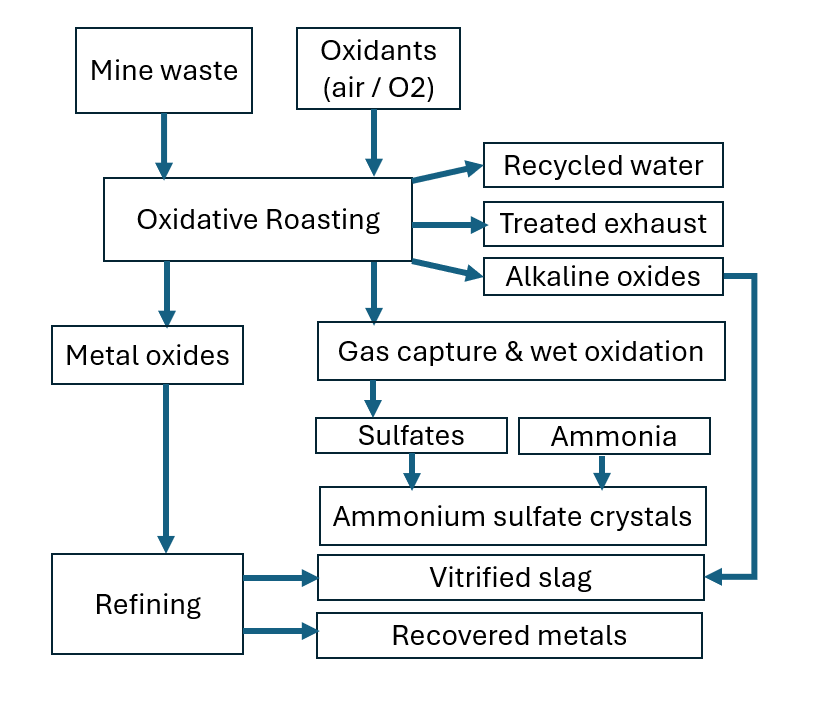
AWOX uses two waste streams to create value
A New Social License to Operate
Remediation First
Site remediation and environmental cleanup is our primary business model, paid for by the processing of precious and strategic minerals.
Revegetation can help offset transport-related emissions and may support future carbon-credit opportunities where projects meet applicable verification standards.
Waste as Value
We’re taking abandoned and forgotten mine wastes, mixing them with ammonia that would otherwise be destroyed at high cost, and producing valuable products.
Even the waste products of our AWOX process—after the fertilizer and critical minerals are extracted—have value in ballast, backfill, road base course, and other uses.
Non Fossil-fuel Fertilizers
Most fertilizers are created via the Haber-Bosch process, which burns natural gas and emits carbon.
Our process is designed to be carbon-free, and depending on the type of wastes processed may actually be carbon-negative.